
Articles

Difficulty in remembering people’s names is one of the most common memory tasks that people wish to be better at. And the reason for this is not that their memory is poor, but because it is so embarrassing when their memory lets them down.

This isn’t just an issue at a personal level. It’s a particular issue for anyone who has to deal with a lot of people, many of whom they will see at infrequent intervals. Nothing makes a person — a client, a customer, a student — feel more valued than being remembered.
We forget someone’s name, and our response might be: “Oh I’ve always been terrible at remembering names!” Or: “I’m getting old; I really can’t remember things anymore.” Or: nothing — we shrug it off without thought. What our response might be depends on our age and our personality, but that response has nothing to do with the reason we forgot.

Find out about the pegword mnemonic

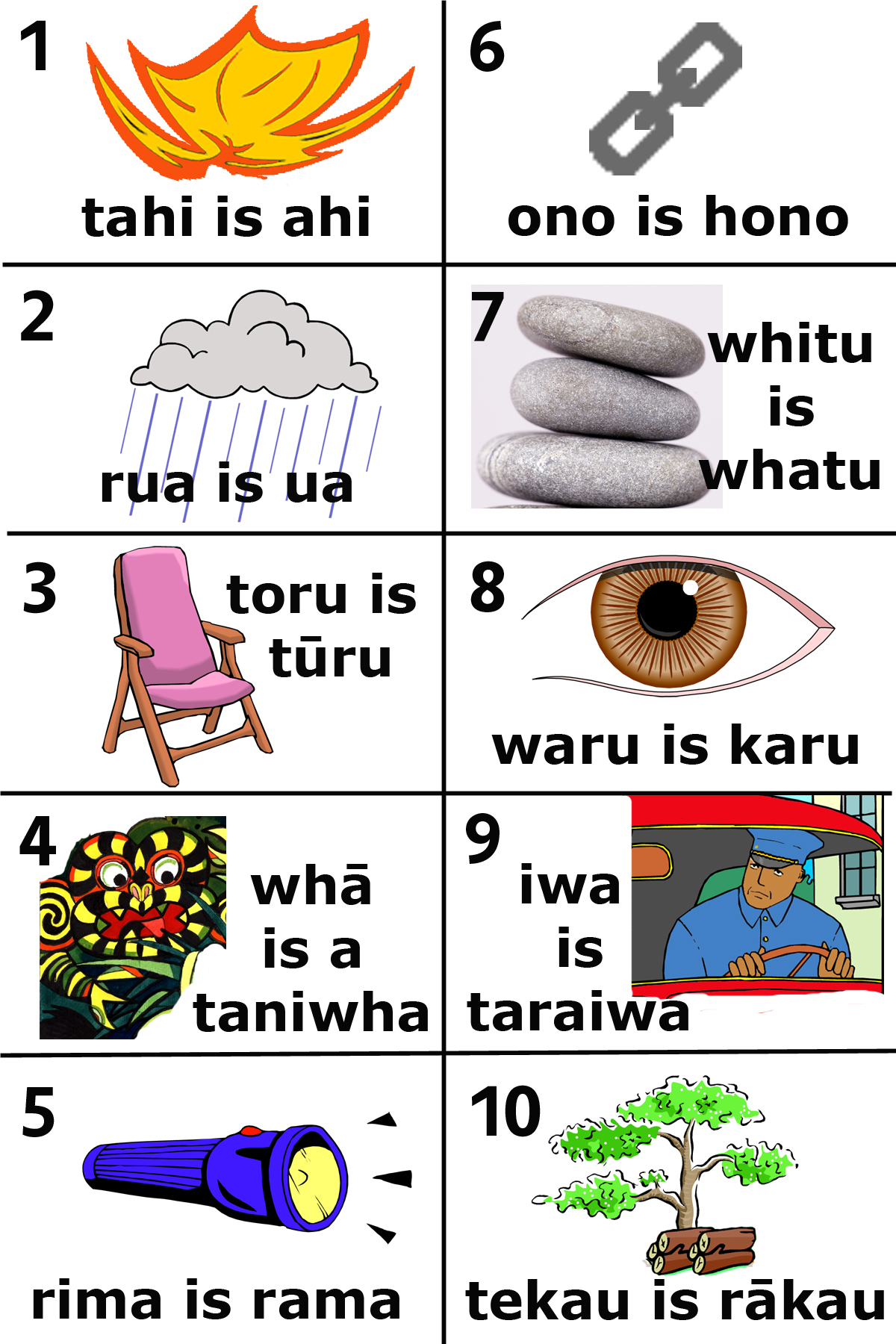
To celebrate Māori Language Week here in Aotearoa (New Zealand), I've put together a pegword set in te reo:

  1. tahi — ahi
  2. rua — ua
  3. toru — tūru
  4. whā — taniwha
  5. rima — rama
  6. ono — hono
  7. whitu — whatu
  8. waru — karu
  9. iwa — taraiwa
  10. tekau — rākau

Maori pegs

In general, the weight of the research evidence suggests that college students tend to have a poor sense of how prepared they are for testing, and having been tested, they have a poor sense of how well they did! (This, of course, is even more true of younger students).

Does it matter?

Research with children has demonstrated that the ability to learn new words is greatly affected by working memory span - specifically, by how much information they can hold in that part of working memory called "phonological short-term memory". The constraining effect of working memory capacity on the ability to learn new words appears to continue into adolescence.

Many people, particularly as they get older, have concerns about short-term memory problems: going to another room to do something and then forgetting why you’re there; deciding to do something, becoming distracted by another task, and then forgetting the original intention; uncertainty about whether you have just performed a routine task; forgetting things you’ve said or done seconds after having said or done them; thinking of something you want to say during a conversation, then forgetting what it was by the time it’s your turn to speak, and so on.

People are poor at assessing their own memory

One thing research seems to show rather consistently is that, for older adults in particular, beliefs about one's own memory performance have little to do with one's actual memory performance¹. People who believe they have a poor memory are usually no worse at remembering than those who believe they have a good memory.

Does emotion help us remember? That's not an easy question to answer, which is unsurprising when you consider the complexities of emotion.

First of all, there are two, quite different, elements to this question. The first concerns the emotional content of the information you want to remember. The second concerns the effect of your emotional state on your learning and remembering.

The effect of emotional content

It does seem clear that, as a general rule, we remember emotionally charged events better than boring ones.